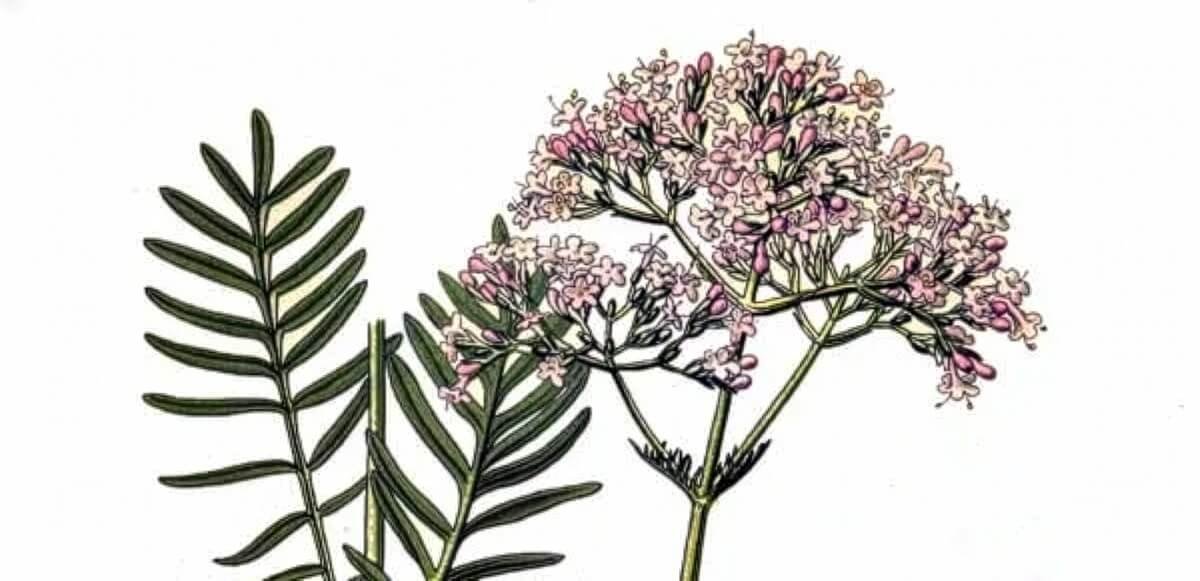
Valerian (Valeriana officinalis) has been used to settle nerves since the time of Hippocrates1. In medieval Europe it was referred to as “all-heal”, and in the early twentieth century it was used to help soldiers recovering from shell shock2.
Valerian’s root has a strong, musty smell that most people find an acquired taste (it’s been likened to smelly socks), but that hasn’t prevented its long reputation as one of the most trusted calming herbs in the Western herbal tradition.
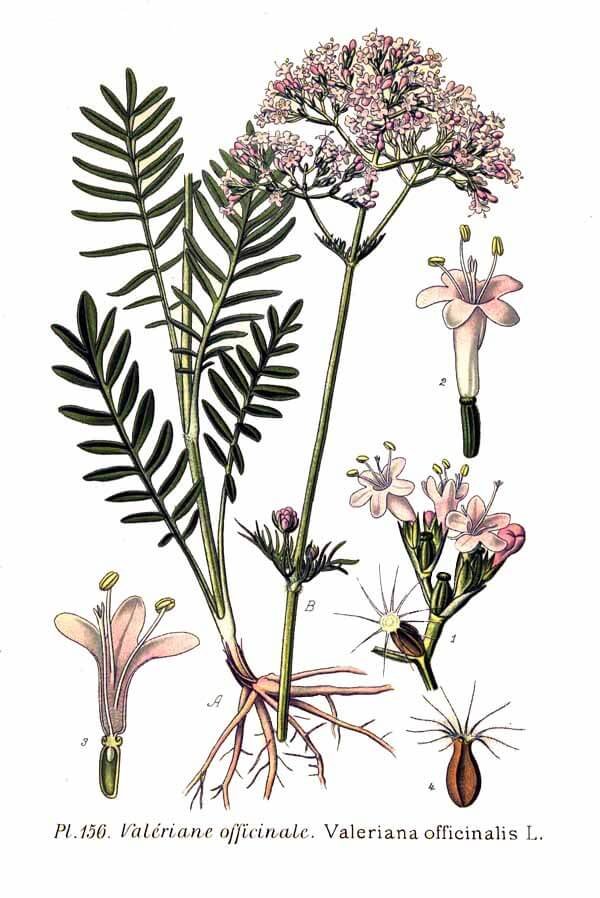
Valerian’s sedative action is widely accepted3 and it is World Health Organization (WHO) approved as mild alternative or substitute for stronger pharmaceuticals4. Valerian’s relaxing, sedative and muscle-easing effects are due to a combination of compounds in the root, including valepotriates and valerenic acid5. These have been found to support the activity of GABA, a calming chemical messenger in the brain, which can help shorten the time it takes to fall asleep and improve the quality of rest6,7.
Interestingly, clinical trials using valerian on its own for insomnia have produced mixed results8, but studies combining it with other calming herbs such as lemon balm (Melissa officinalis) or hops (Humulus lupulus) consistently show better outcomes9. Another study also found that a valerian and hops combination produced a notable pain-relieving effect, working through the body’s opioid pathways10.
Valerian is generally well tolerated, though it is best avoided alongside alcohol or sedative medication, and shouldn’t be used long-term without guidance11. Some people find it mildly stimulating rather than calming, so, as with any herb, it’s worth taking a cautious approach, ideally working with a qualified herbal practitioner to find the right approach for your nervous system.
References
- Bartram T. Bartram’s encyclopedia of herbal medicine. London: Robinson; 1998.
- Grieve M, Leyel C. A modern herbal. London: Tiger Books International; 1973. (Original work published 1931).
- Bradley PR. British herbal compendium vol 1. British Herbal Medicine Association; 1992.
- World Health Organization. WHO monographs on selected medicinal plants. Volume 1. Geneva: World Health Organization; 1999.
- Das G, Shin HS, Tundis R, Gonçalves S, Tantengco OAG, Campos MG, et al. Plant species of sub-family Valerianaceae – A review on its effect on the central nervous system. Plants (Basel). 2021;10(5):846. Available from: https://doi.org/10.3390/plants10050846
- Bruni O, Ferini-Strambi L, Giacomoni E, Pellegrino P. Herbal remedies and their possible effect on the GABAergic system and sleep. Nutrients. 2021;13(2):530. Available from: https://doi.org/10.3390/nu13020530
- Tilgner DSM. Herbal medicine from the heart of the earth. 3rd ed. Creswell (OR): Wise Acres; 2020.
- Valente V, Machado D, Jorge S, Drake CL, Marques DR. Does valerian work for insomnia? An umbrella review of the evidence. Eur Neuropsychopharmacol. 2024;82:6-28. Available from: https://doi.org/10.1016/j.euroneuro.2024.01.008
- Bokelmann JM. Medicinal herbs in primary care. Philadelphia: Elsevier; 2022.
- Gammoh OS, Qnais E, Bseiso Y, Alrosan K, Alqudah A. Evaluation of the antinociceptive effect of valerian and hops combination in experimental animal models: involvement of the opioid system. Heliyon. 2023;9(3):e14185. Available from: https://doi.org/10.1016/j.heliyon.2023.e14185
- Thomsen M. The phytotherapy desk reference. 6th ed. London: Aeon Books; 2022.
Image: Valeriana officinalis L. by Amédée Masclef, Public domain, via Wikimedia Commons