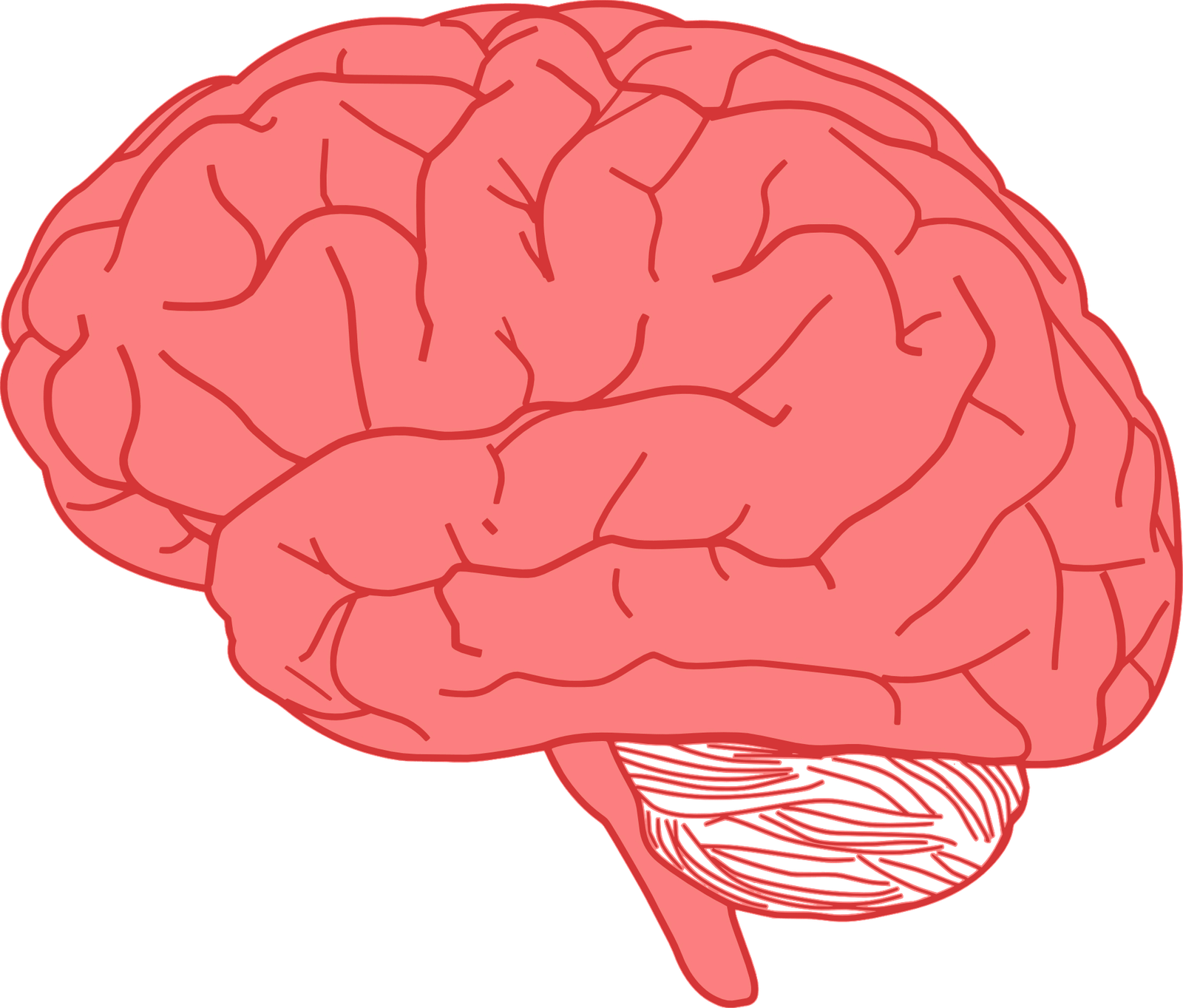
Neuroinflammation seminar
I attended an excellent seminar day yesterday in London entitled, ‘Neuroinflammation – Phytotherapy for mental function in optimal health and wellbeing’, organised by the College of Practitioners of Phytotherapy.
Topics ranged from botanicals and brain health, to plant-sourced omega-3 fatty acids, brain fog, depression and the role of trained immunity in profound autism.
The speakers were Andrew Scholey (Professor of Human Psychopharmacology and Vice Chancellor Fellow at Northumbria University), Philip Calder (Professor of Nutritional Immunology in the Faculty of Medicine, University of Southampton), Marion Mackonochie (medical herbalist and the President of the College of Practitioners of Phytotherapy), Dr Ben Marlow (consultant paediatrician specialising in neurodevelopment) and Professor Kerry Bone (a global leader in herbal medicine). All the speakers said something interesting and of value.
Some key points for me that I was either reminded of, or learned from the day, include:
Curcumin, turmeric and the gut
- Curcumin can play a major role in reducing neuroinflammation (NI), but it is largely insoluble in water, so it needs to be conjugated with lipids to have this effect.
- However, turmeric itself remains beneficial for the gut and for gut inflammation.
Prevention and the ageing brain
- Start lifestyle and nutrition protocols early to prevent neurological conditions, including dementia and Alzheimer’s disease.
- Neurogenesis, the formation of new neurons, does occur in the adult hippocampus, the brain region central to learning and memory and can be influenced.
- Certain varieties of blackcurrant can improve learning and memory.
- Anthocyanins are beneficial to the body, for example in preventing cardiovascular disease, but they are not responsible for monoamine oxidase inhibition (MAOI). Why does this matter? Monoamine oxidase is the enzyme that breaks down neurotransmitters such as serotonin, dopamine and noradrenaline, so inhibiting it can support mood and cognition.
Omega-3s
- Algae-sourced omega-3s are a sustainable and entirely viable alternative to fish oils, at the right dose.
- Increasing intake of eicosapentaenoic acid (EPA) and docosahexaenoic acid (DHA) raises the EPA and DHA content of blood lipids, blood cells and many tissues, including the liver, heart and skeletal muscle. This in turn influences inflammation, immunity, thrombosis (blood clotting), bone turnover and pregnancy duration.
- Free-form DHA is vital for the brain.
- Omega-3s do reduce inflammation.
- Essential fatty acids (EFAs) are crucial in the early development of a child’s brain.
Herbal approaches to brain health
- There are multiple potential herbal approaches, including:
- supporting neurogenesis
- providing an antioxidant effect
- providing an anti-inflammatory effect.
- Selective serotonin reuptake inhibitors (SSRIs) are often prescribed for low, mild or moderate depression because there are perceived to be no alternatives. Many herbal options may be better/ more appropriate in these cases.
The gut and systemic inflammation
- Changes in the gut microbiome, gut metabolites or the gut barrier (including bacterial translocation, where bacteria cross from the gut into the body) can initiate or feed inflammation.
- Systemic inflammation drives neuroinflammation, and air pollution can be a large contributing factor.
Rosemary for learning and memory
Another takeaway, and a simple one to follow, is discovering that a tea made from dried rosemary has been shown in trial to significantly increase brain-derived neurotrophic factor (BDNF). BDNF is a protein that supports the survival of neurons, the growth of new connections between them, and the processes underlying learning and memory. This is something we know as herbalists, but sometimes it is encouraging to hear about underpinning research.
Final thoughts
The day reinforced how closely the gut, diet, inflammation and brain health are connected, and how much herbal medicine and nutrition have to offer. I am very grateful to the College of Practitioners of Phytotherapy and all the speakers.
Image courtesy of Pixabay